On Cultural Continuity: A 2026 Reflection on the Work of Family Arts Collectives
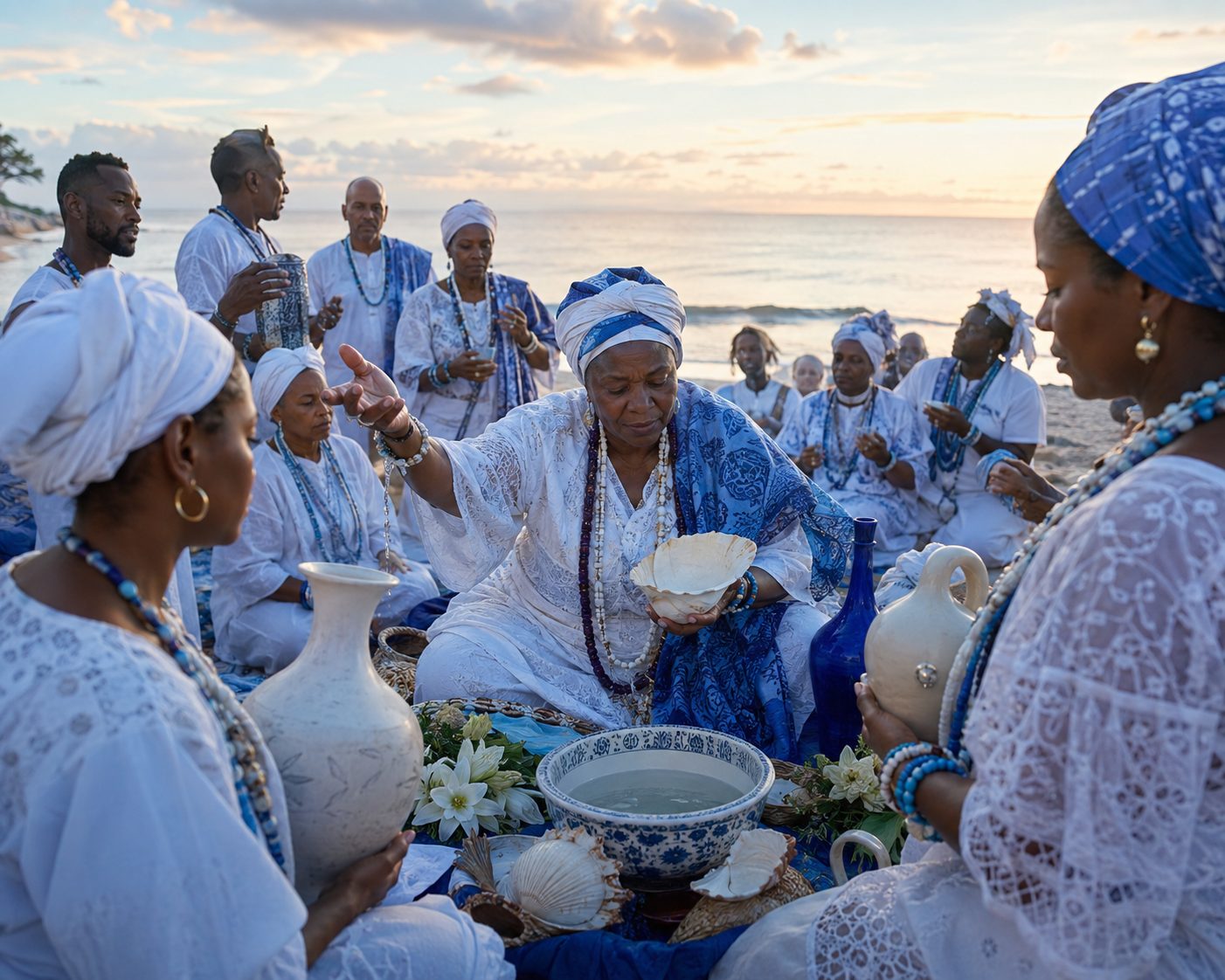
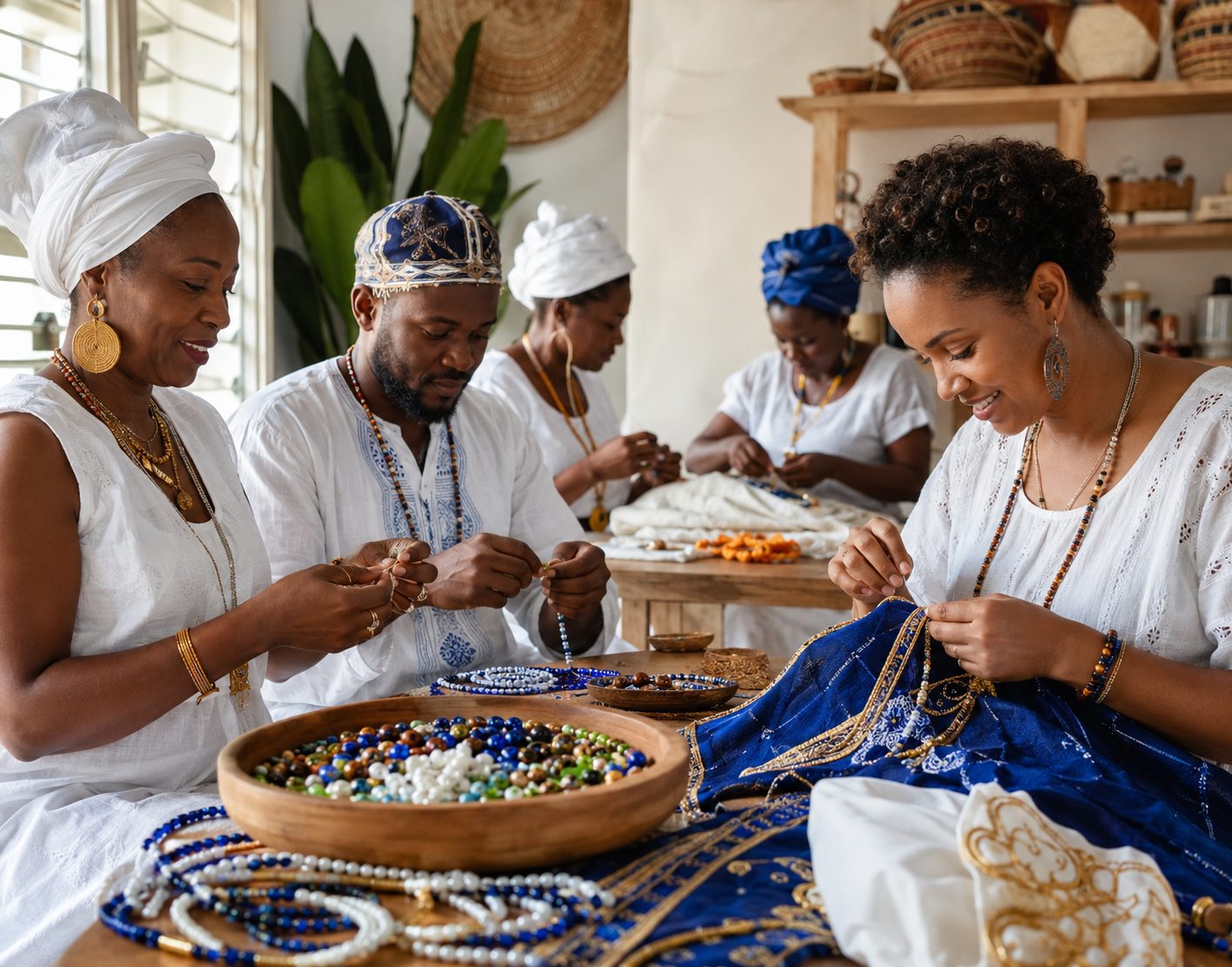
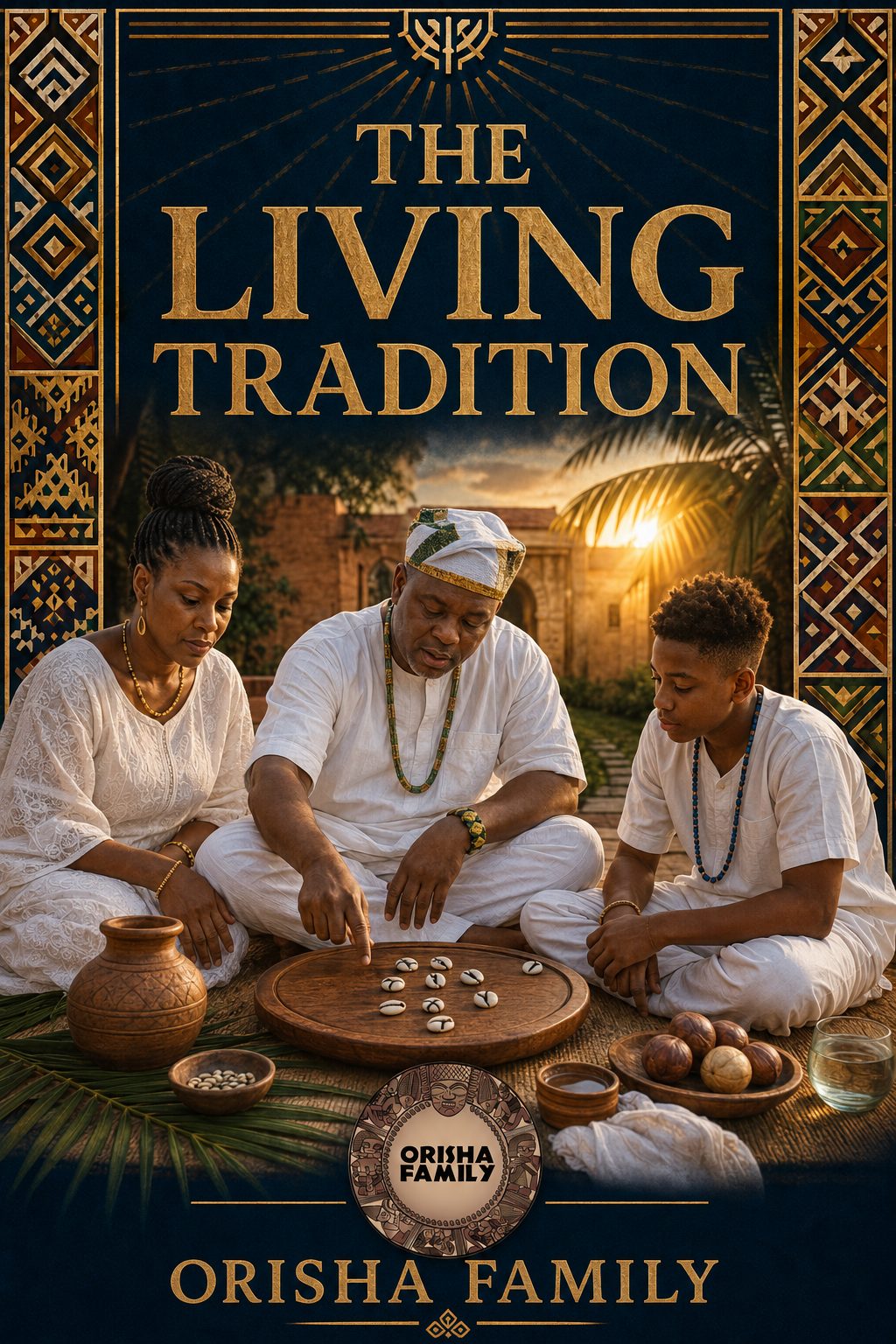
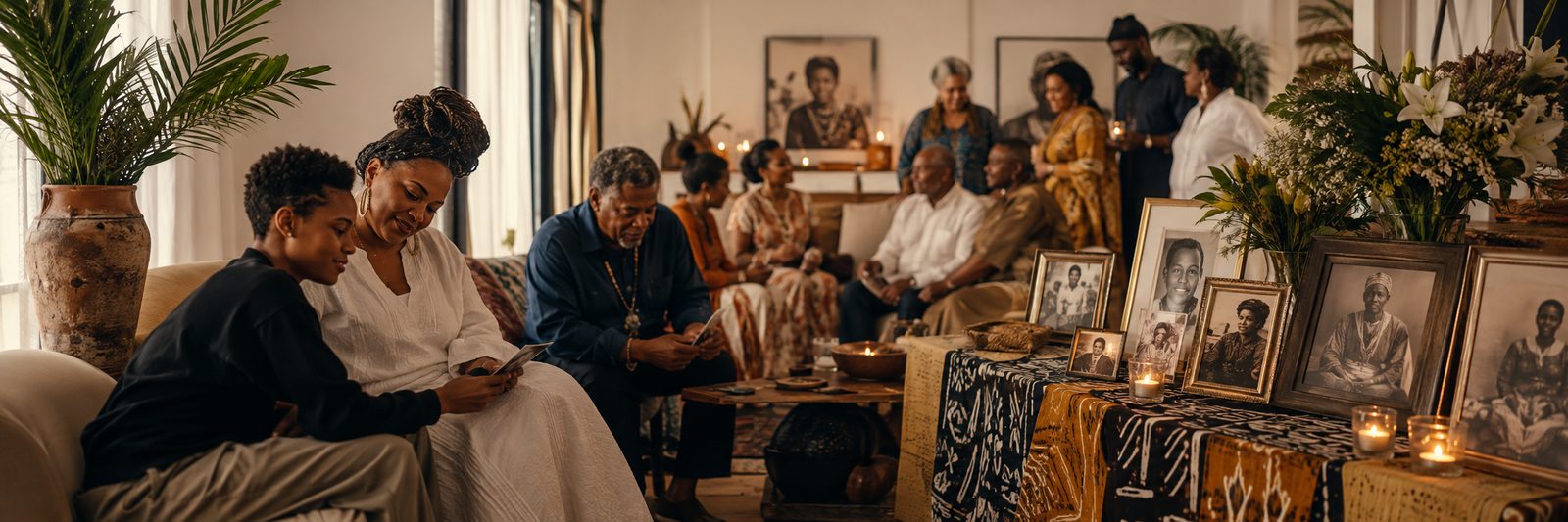
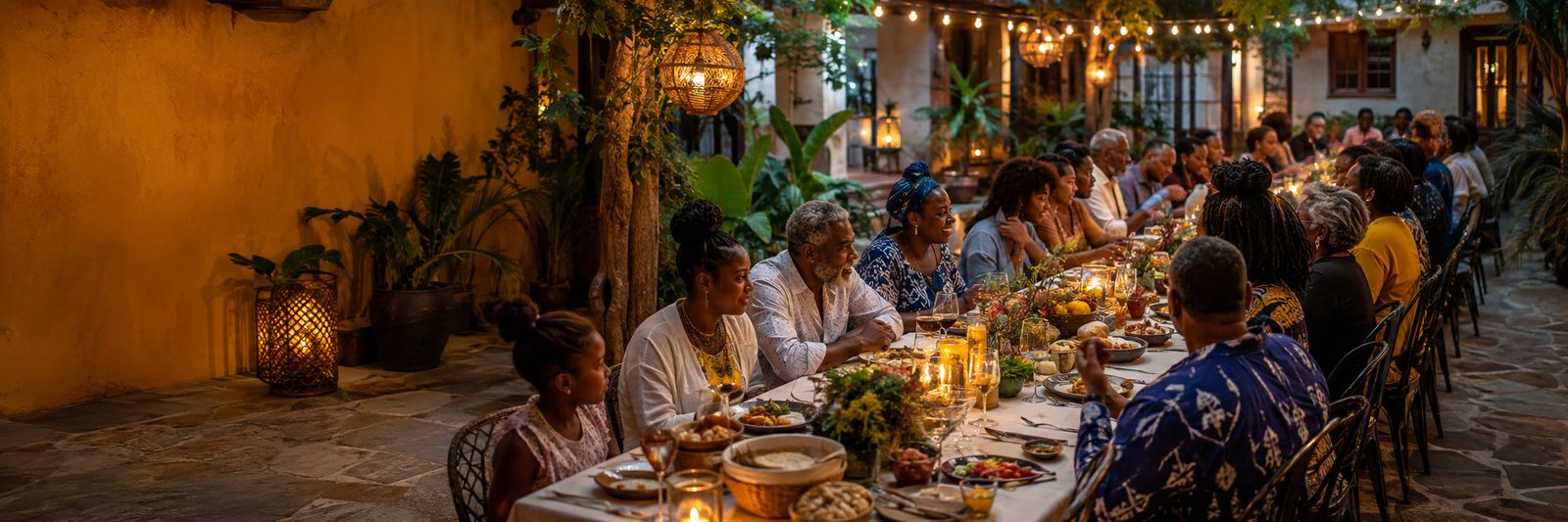
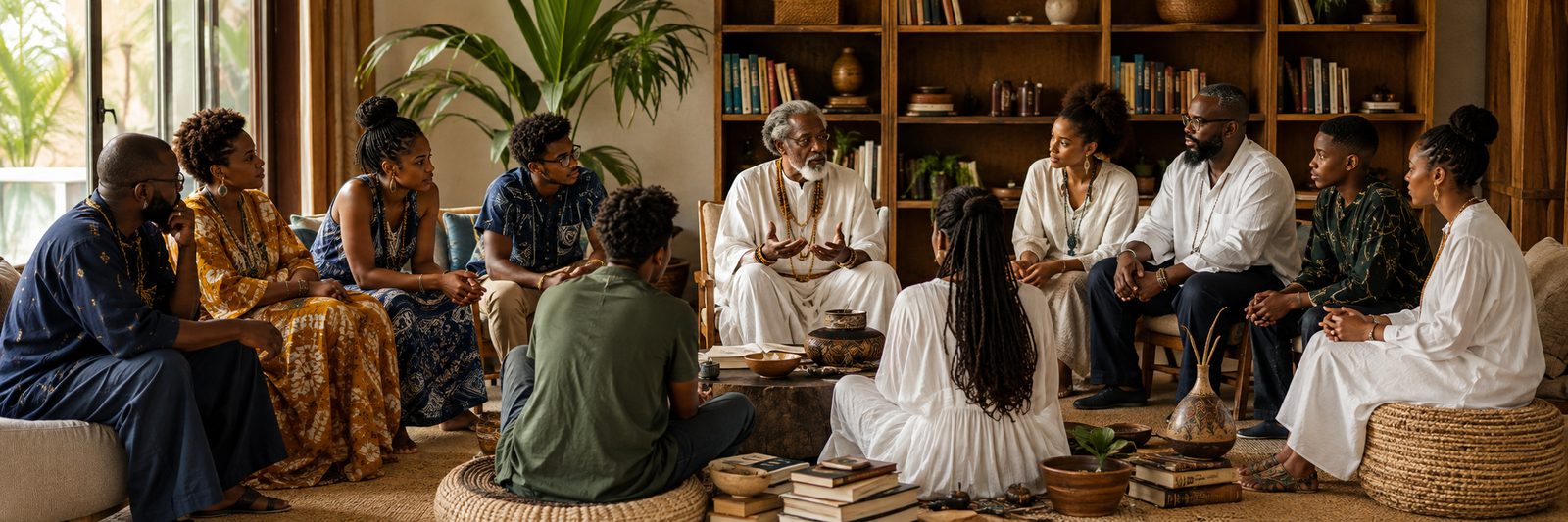
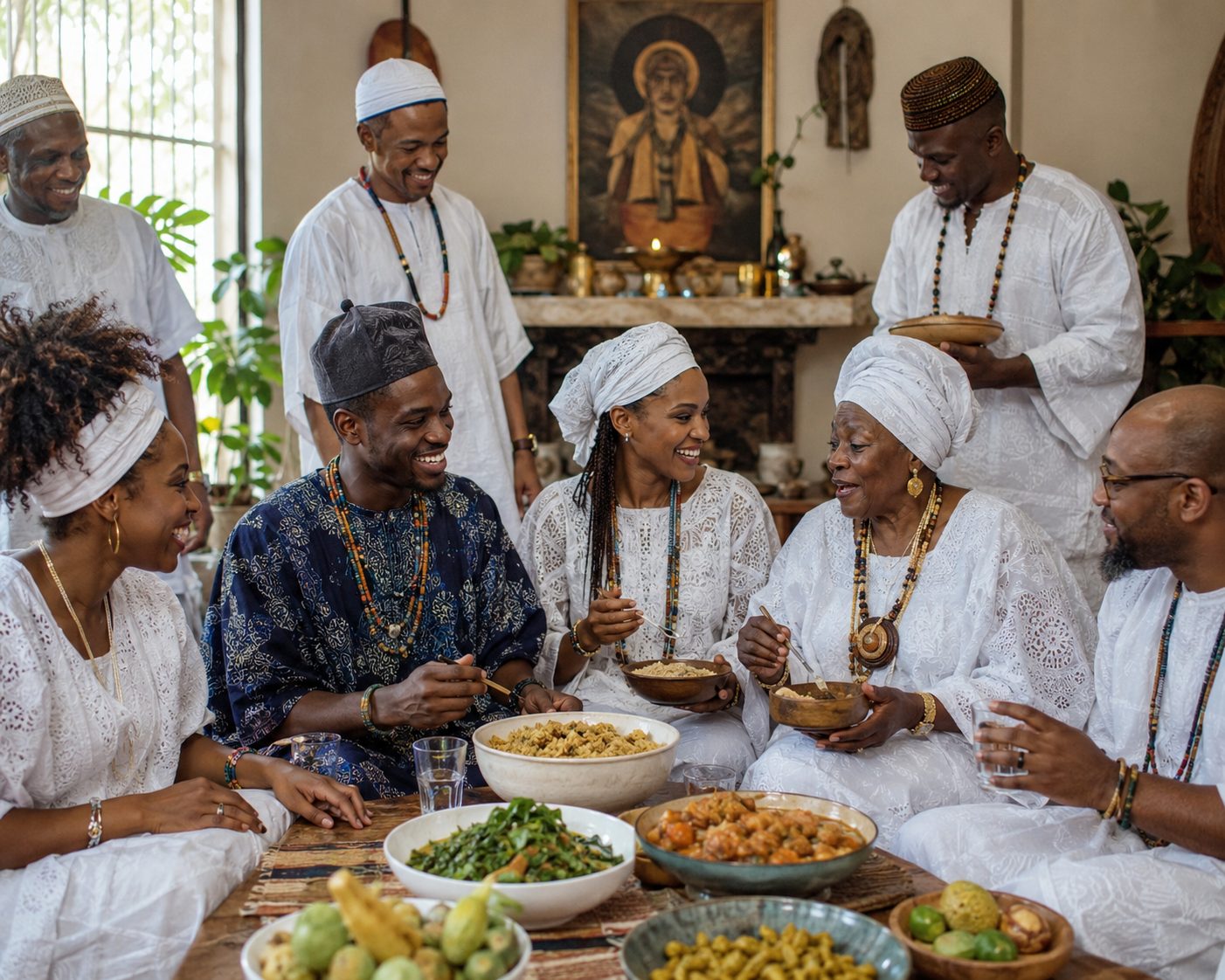
Family arts collectives occupy a distinctive place in cultural life: they treat creative practice not as a solo career but as a shared inheritance passed hand to hand. When elders, parents, and children rehearse, compose, and perform together, the household itself becomes a classroom where rhythm, repertoire, language, and values are transmitted through repetition and presence rather than formal instruction. Cultural scholars often describe this kind of living, person-to-person handoff as intangible cultural heritage — knowledge that survives only because it is continually practiced and taught to the next generation.
That framing helps explain why so many diasporic and heritage traditions have endured despite disruption. Where written records were lost or suppressed, memory carried in song, drumming, and ceremony kept traditions intact. Institutions such as the Smithsonian's Center for Folklife and Cultural Heritage have documented how apprenticeship within families and communities remains one of the most durable ways cultural knowledge moves forward, especially as streaming and social media accelerate global exchange.
For a family collective, then, making art together is both a joy and a form of stewardship. Each performance is an act of continuity — a reminder that culture is not a fixed object to be preserved behind glass, but a practice that lives only when a community chooses, again and again, to keep it alive.
Sources: Smithsonian Center for Folklife & Cultural Heritage; UNESCO — What is Intangible Cultural Heritage